


Robert Stone’s GUERRILLA: THE TAKING OF PATTY HEARST [6/10]
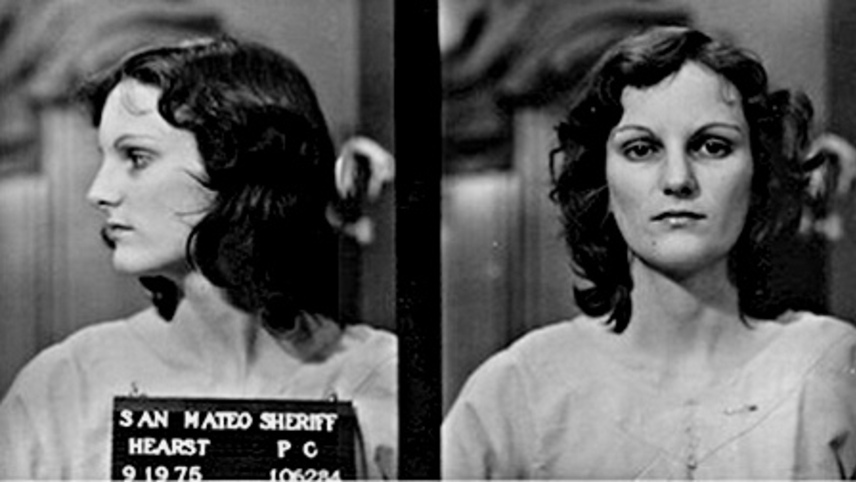
Truth-is-stranger-than-fiction documentary chronicling a surreal, half-forgotten episode of recent US history. In 1974, the shadowy Symbionese Liberation Army suddenly shot to worldwide prominence when they kidnapped heiress Patricia ‘Patty’ Hearst, grand-daughter of notorious Citizen Kane inspiration William Randolph Hearst. As the weeks passed, the captive Hearst seemed to show classic symptoms of ‘Stockholm Syndrome,’ whereby prisoners start to identify and sympathise with their captors.
Adopting the name ‘Tania’, Hearst would even take part in an armed bank-robbery in which a customer was killed. Earlier, the cops had tracked most of the SLA — who turned out to comprise only a handful of individuals — down to their Los Angeles hideout. The resulting police action left most of the ‘soldiers’ dead — but Hearst, who was fortunately elsewhere at the time, survived, went on trial, served a brief jail-term and is now firmly established as one of the more unique examples of American celebrity.
Did Hearst really ‘convert’ to the SLA’s radical aims? Who were the SLA? What, indeed, does ‘Symbionese’ even mean? Such questions are only hazily and partially answered by Guerrilla. Stone’s main structural problem is that those who know the facts (such as Hearst herself) aren’t speaking, or are — like the principal, original SLA members — no longer around.
Instead he assembles talking-heads interviews with the surviving SLA personnel (who are, inevitably, somewhat peripheral figures) and intersperses them with TV footage from the contemporary coverage of the Hearst story — coverage that’s copious and often very amusing (especially the remarkable moustache sported by Hearst’s then-fiance Steven Weed) but entirely from the outside looking in: this revolution, it seems, would not be televised. Instead, what Stone ends up with is an entertaining, atmospheric chronicle of one of the first genuinely sensational media events to take place in the era of live network-broadcasting.
His conventional film-making approach is somewhat at odds with the revolutionary fervour that was so palpably in the air after six years of President Nixon. But it’s arguably quite in keeping with Hearst herself — who, the ‘Tania’ episode apart, comes across as a thoroughly unremarkable example of the American moneyed class (albeit one whose weird dreamy voice sounds just like Kim Gordon impersonating Karen Carpenter on Sonic Youth’s ‘Tunic.’)
That’s partly because Stone makes no mention of her appearances in John Waters’ Cry-Baby (1990), Serial Mom (1994), Pecker (1998) and Cecil B Demented (2000) — she’s also in his upcoming A Dirty Shame. There’s clearly rather more to Hearst than the smiling, demure, conservative Stepford-wife we briefly see in Guerrilla’s last scene, fielding questions from Gaby Roslin (of all people) on an anodyne British talk-show. The way Stone cuts this clip off does end the picture on a zingy comic high — but we soon realise that, even after 89 minutes of documentary, we aren’t really that much the wiser.
Neil Young
7th September, 2004
(seen 21st August : UGC Edinburgh : press show – Edinburgh Film Festival)
click HERE for our full coverage of the 58th Edinburgh Film Festival
aka Neverland: The Rise and Fall of the Symbionese Liberation Army
USA 2004 : Robert STONE : 89 mins